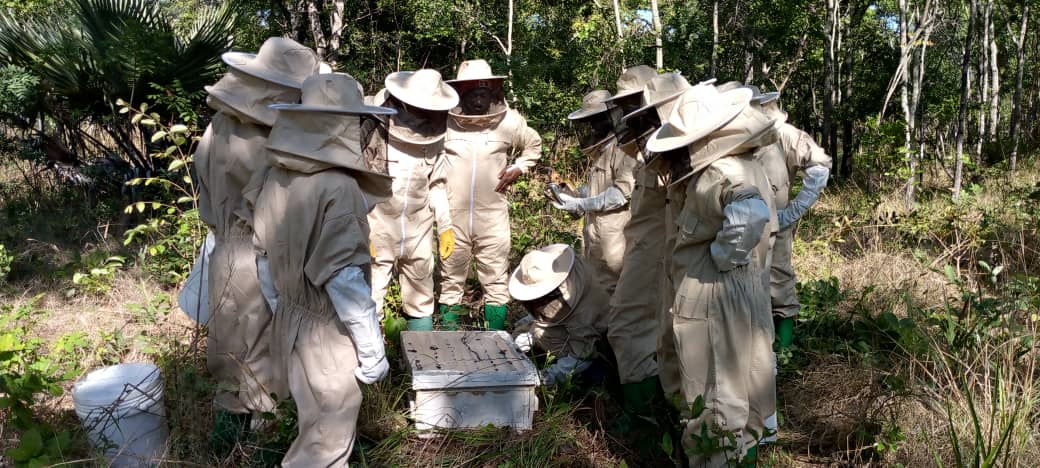
The Katavi Region of Tanzania is facing rapid population growth, fueled by internal migration, which is putting considerable pressure on forests. The population of the Mlele District tripled between 2002 and 2017, leading to deforestation, encroachment into reserves, and conflicts between farmers and livestock keepers. Young people face limited opportunities, pushing them toward casual labor that can be harmful to the environment. That is why ADAP launched a pilot project to train young people who have dropped out of secondary school in beekeeping, equipping them with technical and entrepreneurial skills so they can improve their livelihoods while preserving the forest.
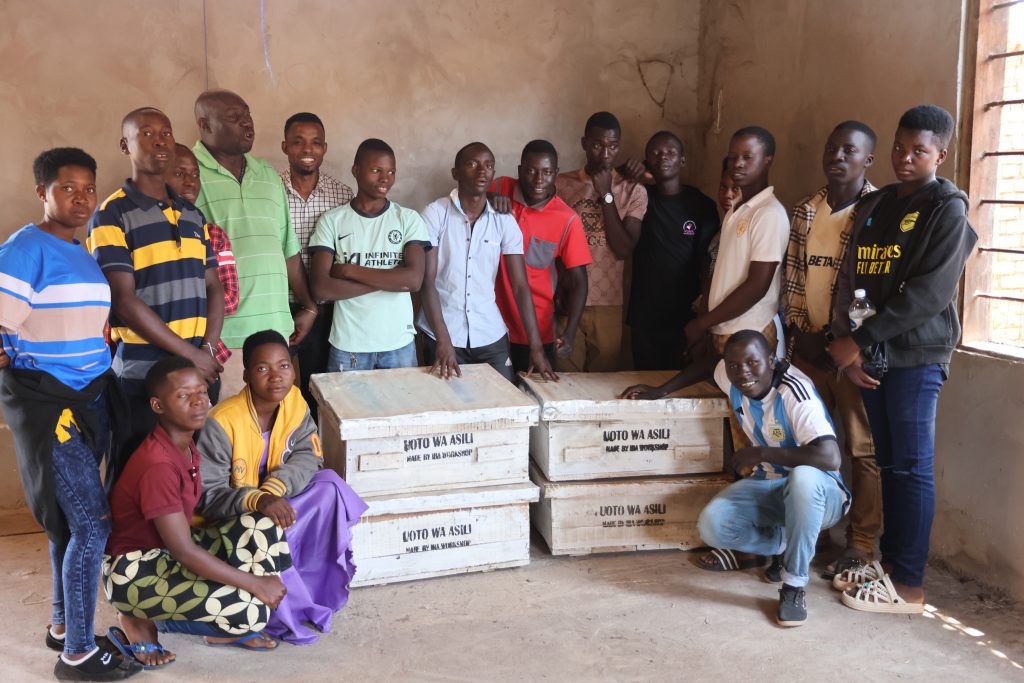
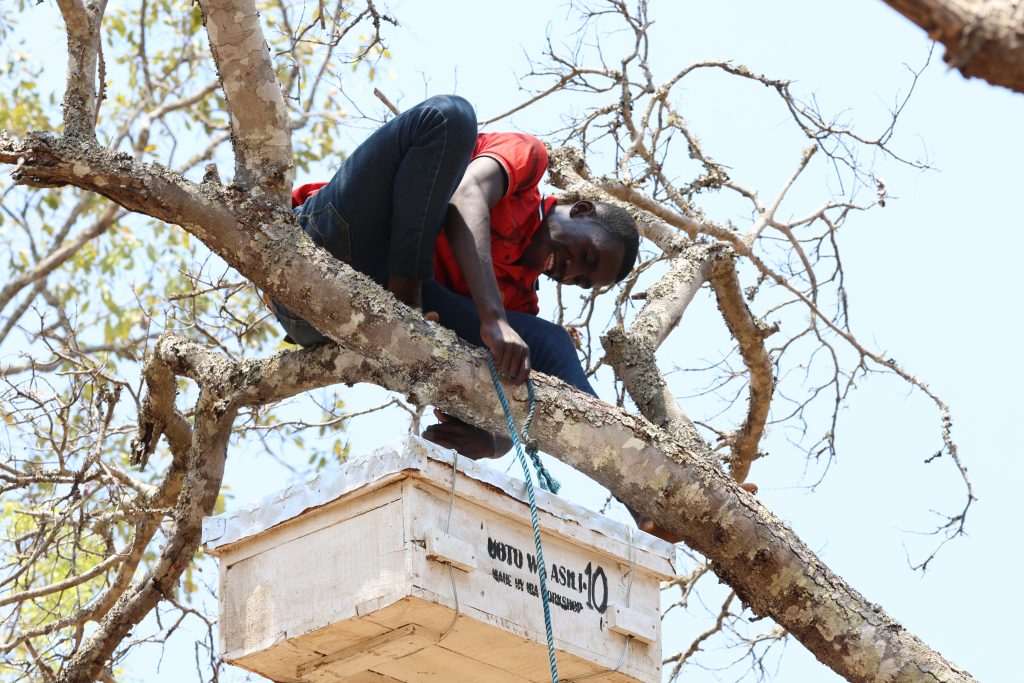
After receiving theoretical training, 16 girls and 14 boys began by making their own beehives in the workshop of the Nyuki Mlele cooperative (formerly Inyonga Beekeepers Association). They then went to hang the hives in the Miombo forests within the Mlele Hills Forest Reserve. The hives are hung in trees so that they are at the bees’ flying height, as the flowers of the trees are the main source of nectar. The height also protects the hives from bush fires and predators such as honey badgers. The youth return regularly to inspect the hives to check for colonies and their vitality.
|
|
|
In November 2024, the young beekeepers harvested their very first honey in the Mlele Hills Forest Reserve and also received technical training on honey harvesting processes while preserving trees and bee colonies.
They worked on their communication skills to promote their group and their products. Our volunteer, Nathalie Rochat, helped them develop their slogan and new visual identity (logo). They also received training from the district on how to make cosmetics from bee products.
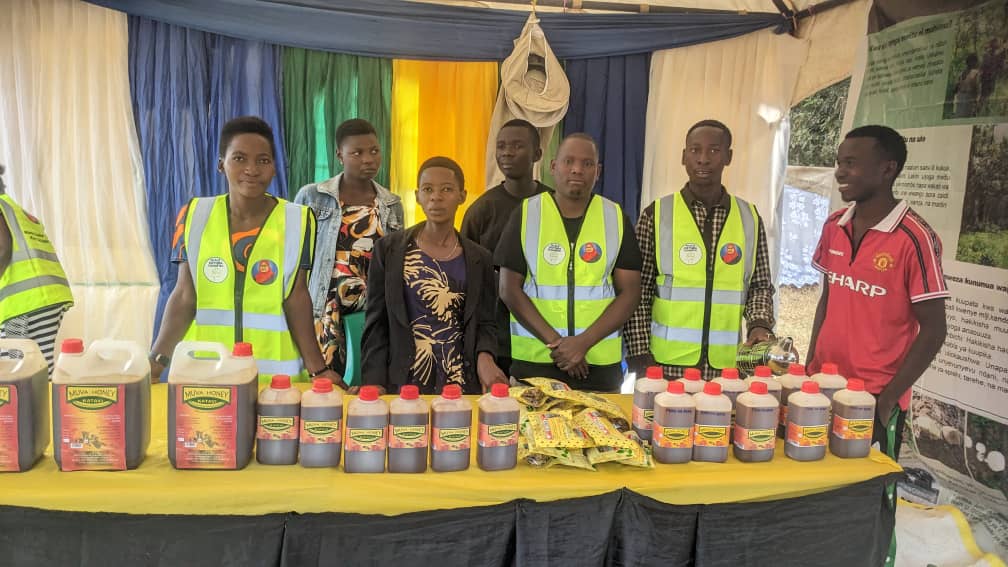
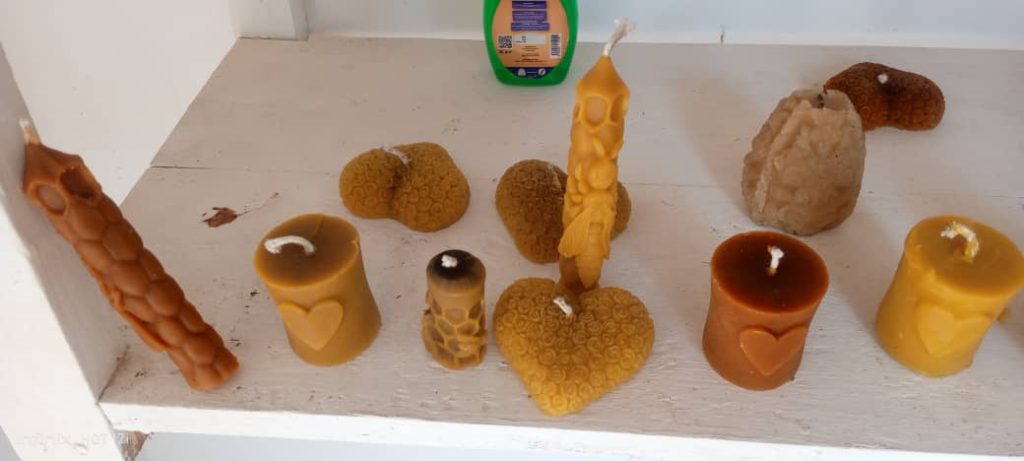
The youth group carried out its second harvest in June 2025. They processed it using the Nyuki Mlele cooperative’s machines and were able to produce 30 liters of honey and 4 kg of beeswax, which they used to make candles. They sold their products at the Nyuki Mlele shop and at a fair organized in July 2025 in the Mlele district to promote local products and celebrate President Samia Suluhu Hassan’s day.
 |
 |
In August 2025, some of the youth inspected the hives to determine whether they had been colonized by bees. The team found that about 35% of the hives were colonised and that some colonies had left the site due to the presence of varroa and other parasites. The team decided to shift so hives closer to water and space them out.
In early October 2025, the youth had the opportunity to present their initiatives to the Viumbe Hai team from AZAM TV, a local television channel that focuses on conservation initiatives in Tanzania. The program is scheduled to air in November or December 2025. The young people presented the honey processing and candle-making processes.
|
|
|

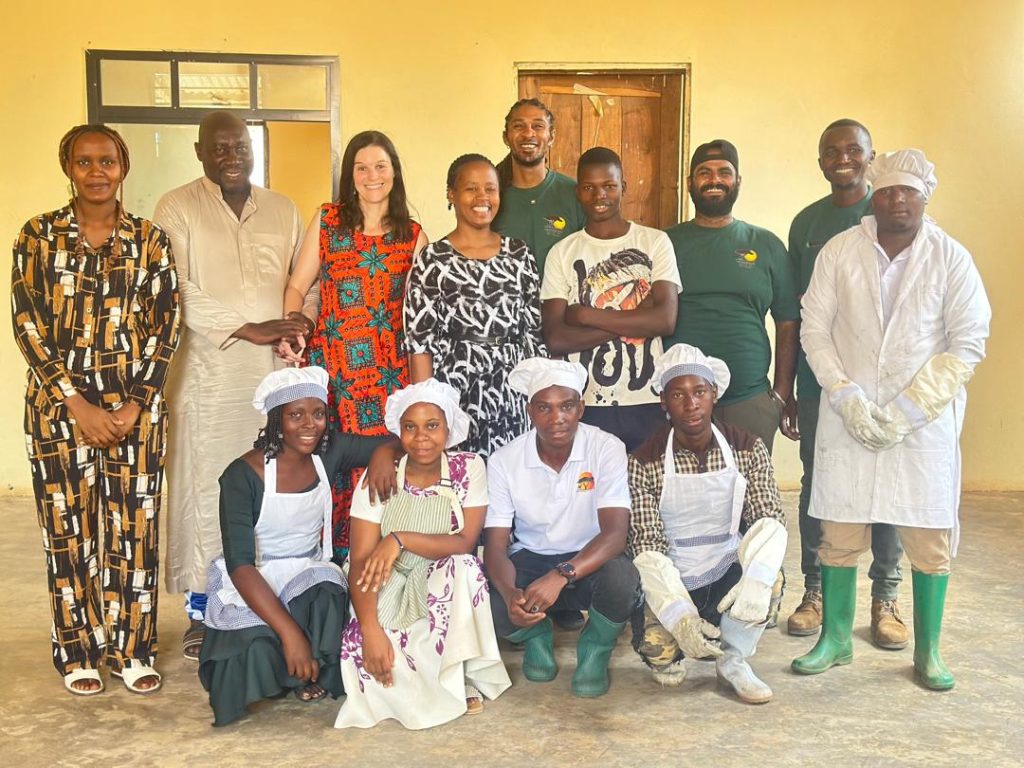
The young beekeepers are highly motivated to learn modern beekeeping techniques. They also manage some solar dryers for mushrooms. They now want to go further in promoting their products and learn how to make their own protective clothing and the basics of accounting. Many other young people who have failed at school want to join the program. That is why the project will support a second cohort starting in 2026.
Support the young beekeepers and donate through Global Giving

© Nathalie Rochat
© Nathalie Rochat